Hidden-Veggie Mac & Cheese
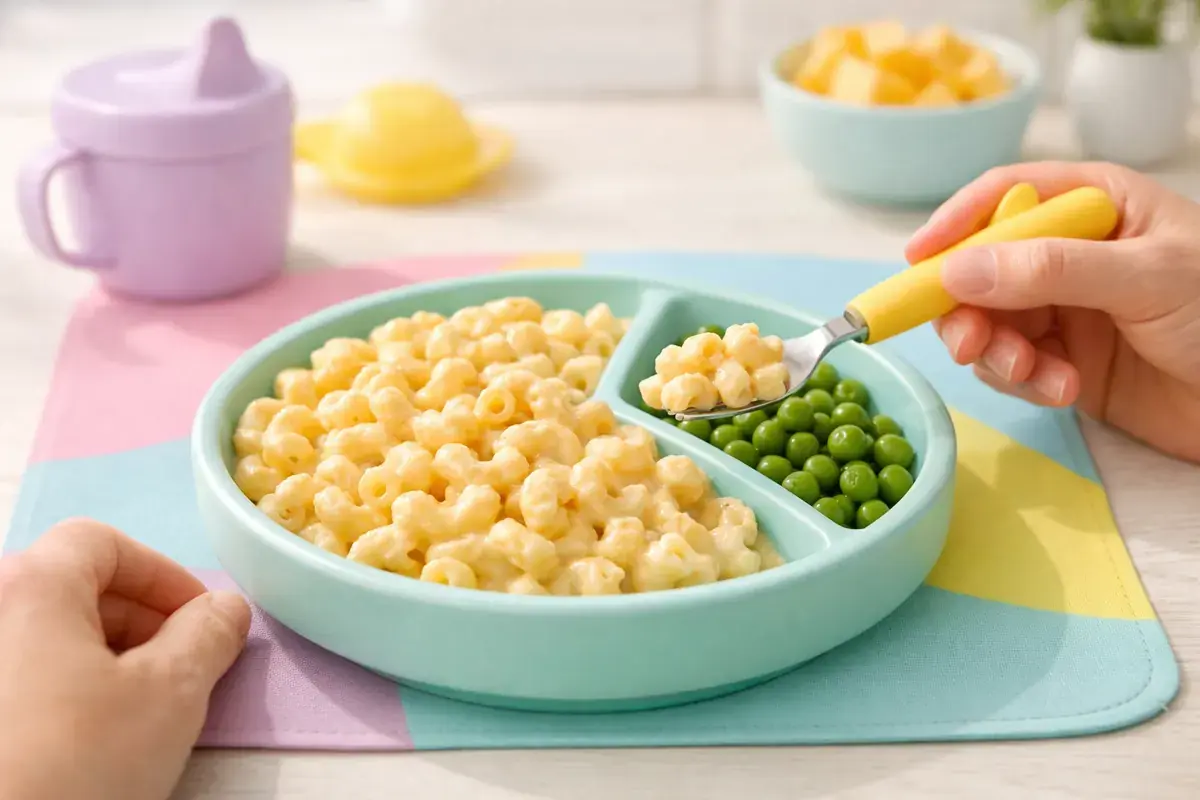
This bright orange sauce gets its color from butternut squash and its creaminess from cauliflower, so you can use less cheese and still get that cozy mac-and-cheese flavor kids love.
- Prep10 min
- Cook15 min
- Total25 min
- Makes4 toddler servings
- Age9 months+
Ingredients
Makes 4 toddler servings. Tap to check off as you go.
Contains: milk, wheat.
Instructions
-
1Simmer the veggies
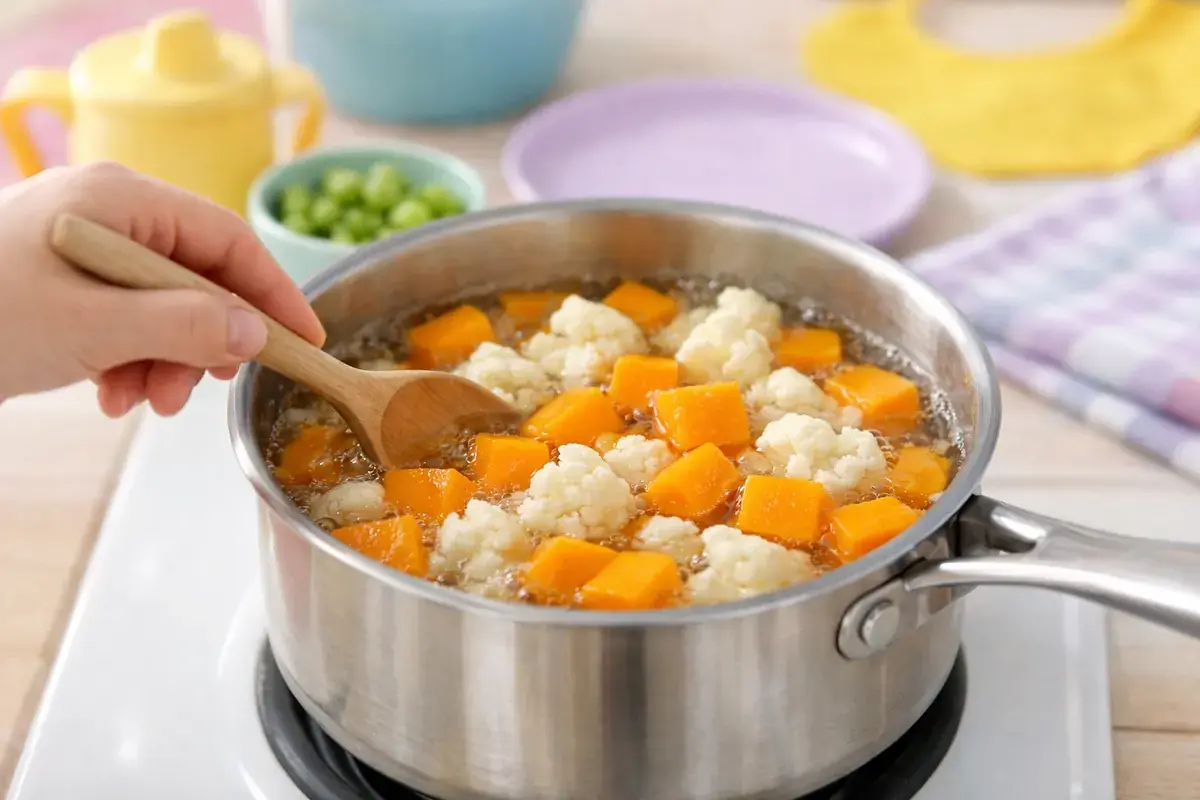
Boil the squash and cauliflower in a pot of water for 10–12 minutes until very soft.
-
2Cook the pasta
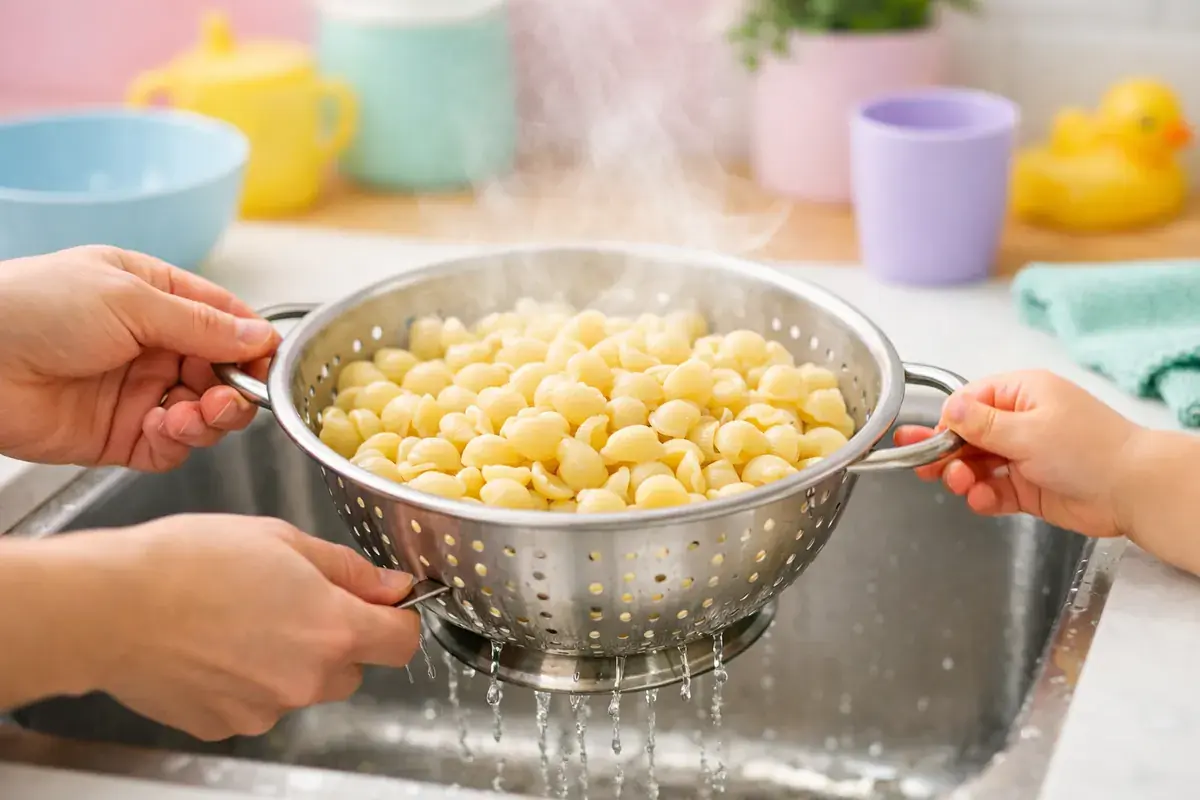
Meanwhile, cook the pasta according to package directions until soft, then drain.
-
3Blend the sauce
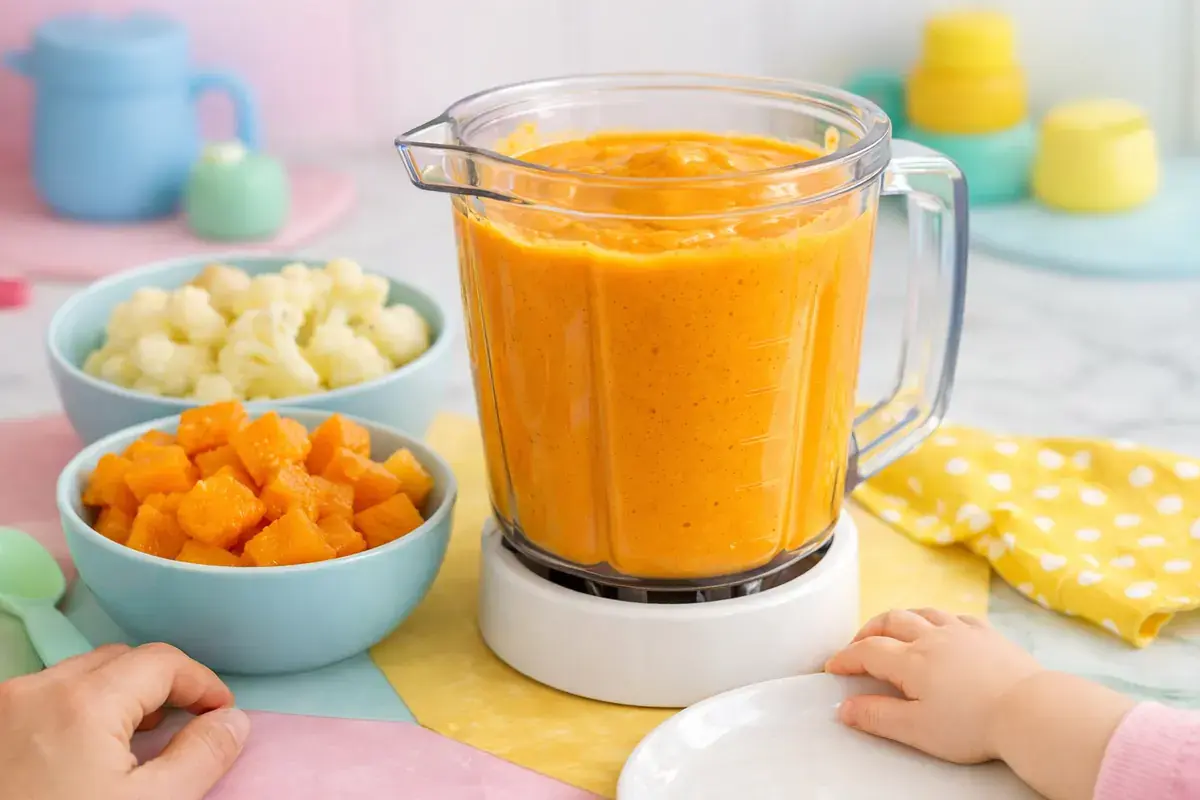
Blend the drained veggies with the milk, butter and garlic powder until silky smooth.
-
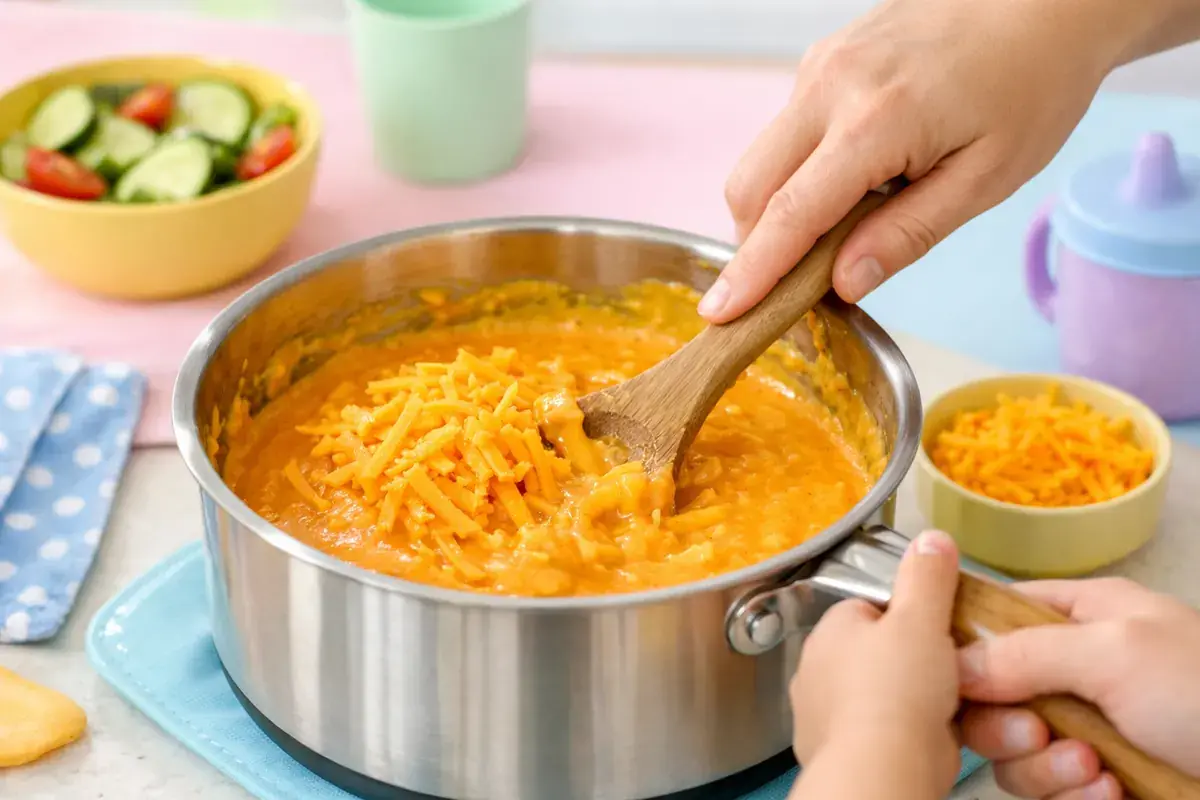
4Melt in the cheese
Pour the sauce into the pot over low heat and stir in the cheddar until melted.
-
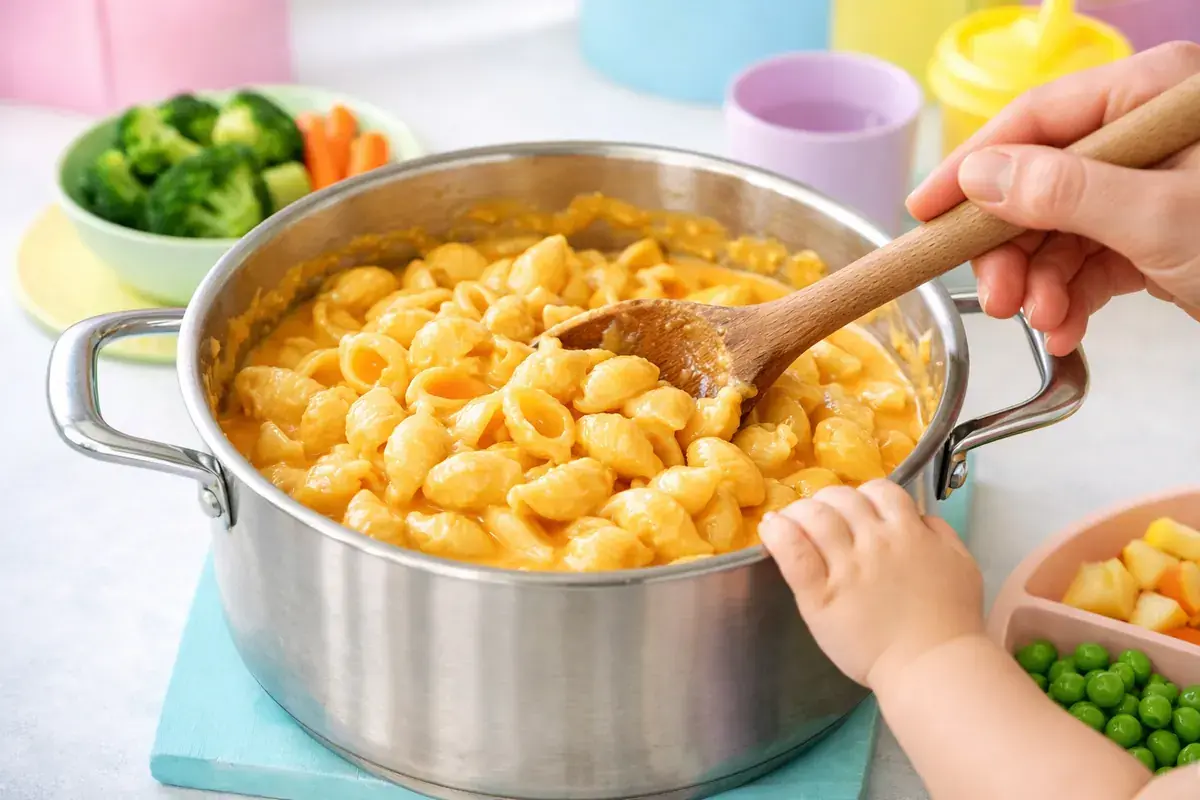
5Toss the pasta
Add the pasta and stir until every piece is coated. Add a splash of milk if it's too thick.
-
6Serve warm
Let cool slightly and serve with peas or steamed broccoli on the side.
How to serve by age
9–12 months
Cook the pasta 2 minutes past the package time so it squishes easily, and use a lower-sodium cheese such as Swiss or fresh mozzarella. Offer it on a preloaded spoon or let your baby pick up the shells.
12–24 months
Serve as is. Small shells and elbows are a good size for a toddler spoon or fingers.
2–3 years
Stir in peas, diced cooked chicken or flaked tuna to turn it into a complete meal.
Allergy & diet swaps
- Dairy-free
- Use unsweetened plain oat or soy milk, olive oil instead of butter, and 2–3 tbsp nutritional yeast instead of cheddar.
- Gluten-free
- Use gluten-free pasta and cook it just to the package time; it turns mushy quickly.
- Extra veggies
- Blend a handful of baby spinach into the sauce. It turns green but tastes the same.
Tips
- Frozen butternut squash and cauliflower save loads of prep time.
- Freeze extra sauce in ice cube trays for super-fast future dinners.
- Stir in shredded chicken for extra protein.
Storage & safety
Storage: Fridge: 3 days. Reheat with a splash of milk. Freezer (sauce only): 3 months.
Suggested age: 9 months+. Every child is different — serve textures and sizes that match your toddler's chewing skills.
Always seat your toddler upright and stay close while they eat. Cut round foods into small pieces and spread nut butters thinly. Read our toddler food safety guide for more.
Questions parents ask
Is boxed mac and cheese OK for toddlers?
Occasionally, but powdered cheese mixes are high in sodium. This version uses real cheese and gets much of its creaminess from vegetables, so each serving has less cheese and more fiber.
Will my toddler taste the vegetables?
Usually not. Butternut squash and cauliflower blend into a mild, slightly sweet sauce that looks like classic mac and cheese.
Can I freeze mac and cheese?
The sauce freezes well for up to 3 months. Cooked pasta gets soft after freezing, so for the best texture freeze only the sauce and cook fresh pasta.
How much mac and cheese should a toddler eat?
A typical toddler serving is about 1/4 to 1/2 cup. Let your child's appetite lead; it naturally changes from day to day.
You might also like
 🥪 Lunch
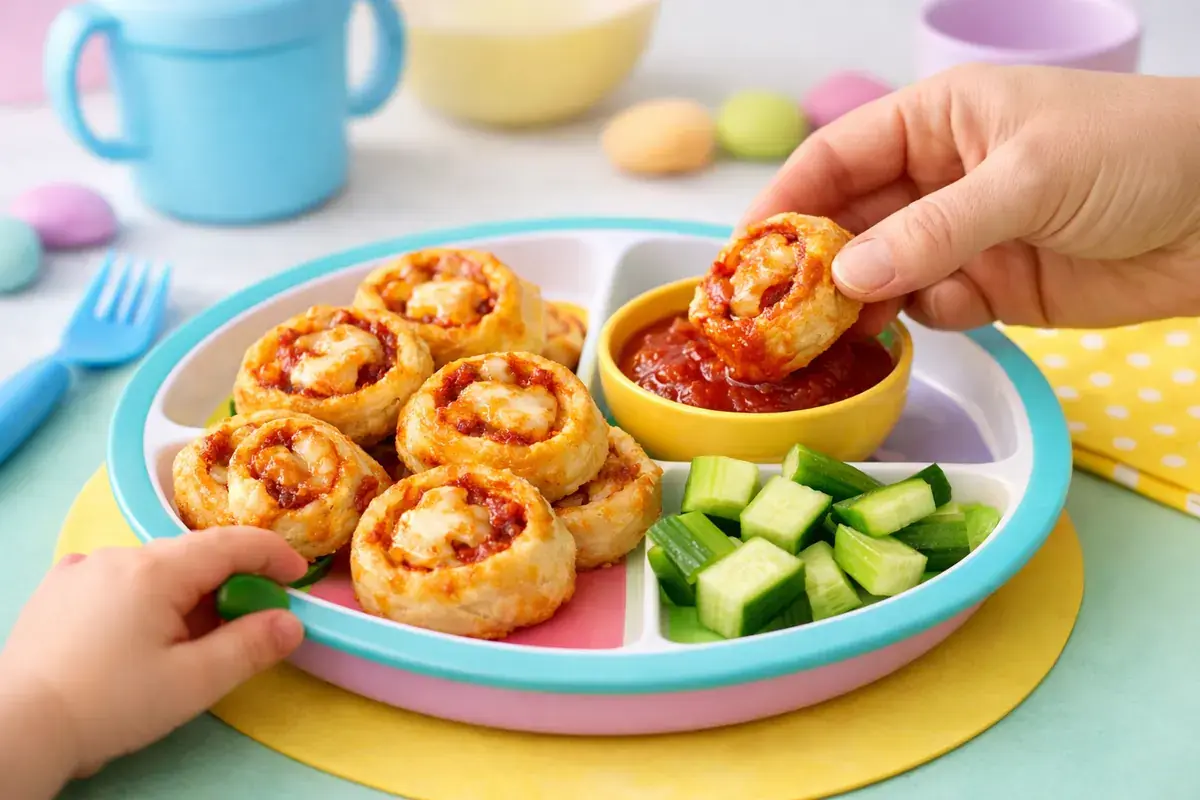
Pizza Pinwheels
Soft, cheesy toddler pizza pinwheels with spinach and tomato sauce. A fun finger food that's great for lunchboxes, parties and picky eaters.
 🌞 Breakfast
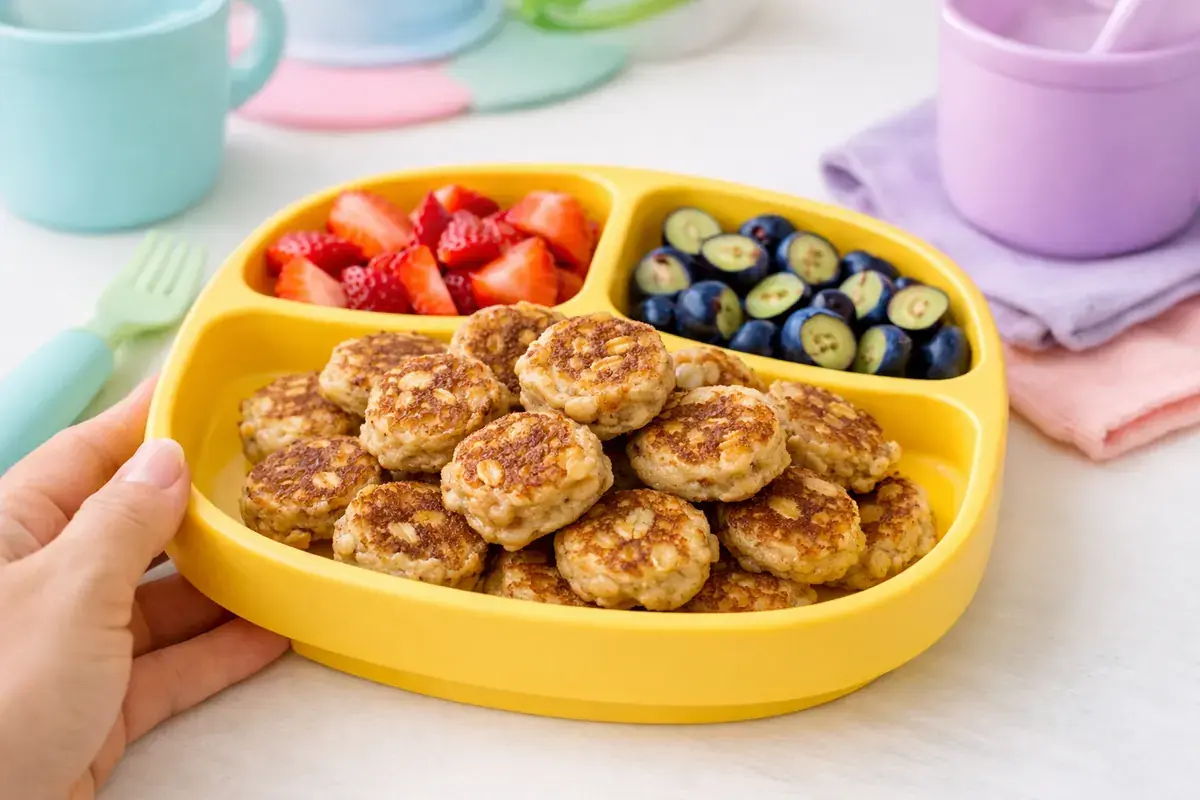
Banana Oat Pancake Bites
Fluffy 3-ingredient banana oat pancake bites for toddlers — no added sugar, freezer-friendly and perfect for little fingers.
 🌞 Breakfast
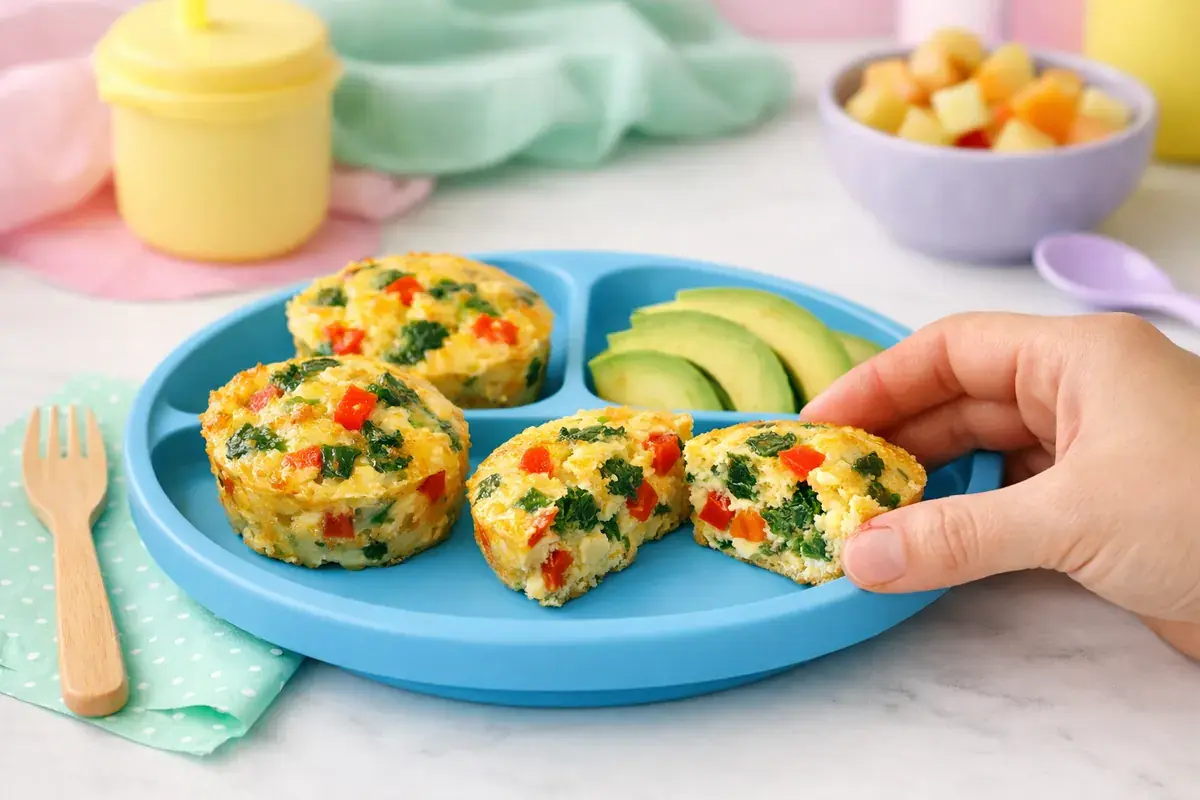
Veggie Egg Muffin Cups
Protein-packed mini veggie egg muffins for toddlers with spinach, peppers and cheese. A make-ahead breakfast or finger food for baby-led weaning.